F*** the Streets and the Reckoning Hip Hop Keeps Avoiding
Written by Malik Perkins
January 9, 2026
Source: Raymond Alva
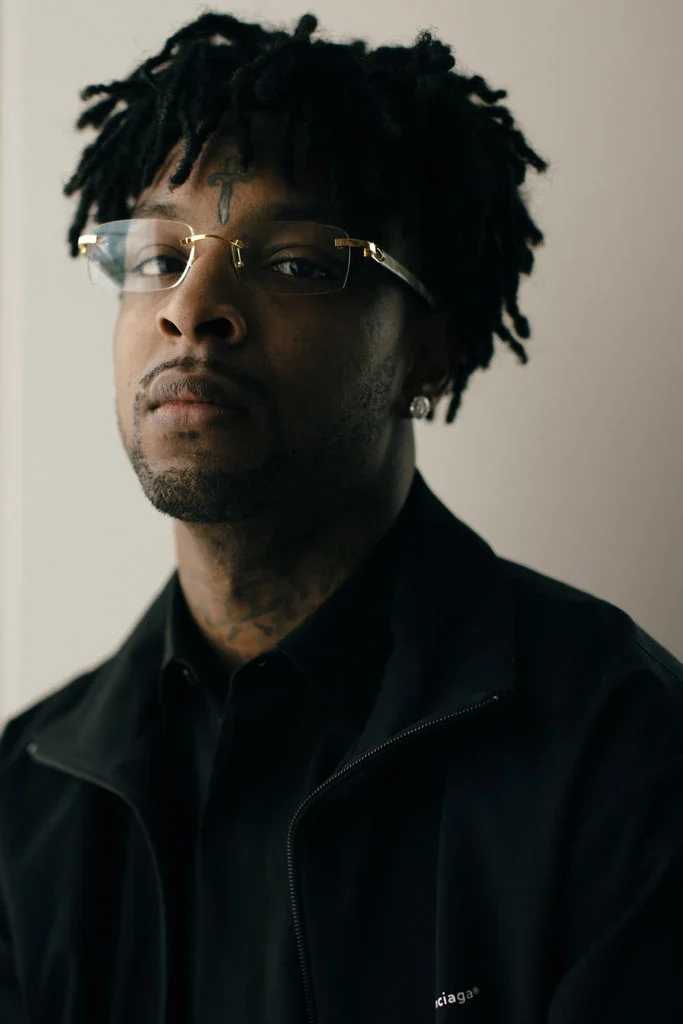
When 21 Savage said “fuck the streets,” it didn’t feel like a provocation. It felt like exhaustion. The kind that comes from surviving long enough to see patterns clearly. The kind that comes from watching the same cycles repeat while pretending they’re tradition. The reaction to his words exposed something deeper than disagreement. It exposed how invested hip hop still is in protecting an idea even when that idea has cost us lives.
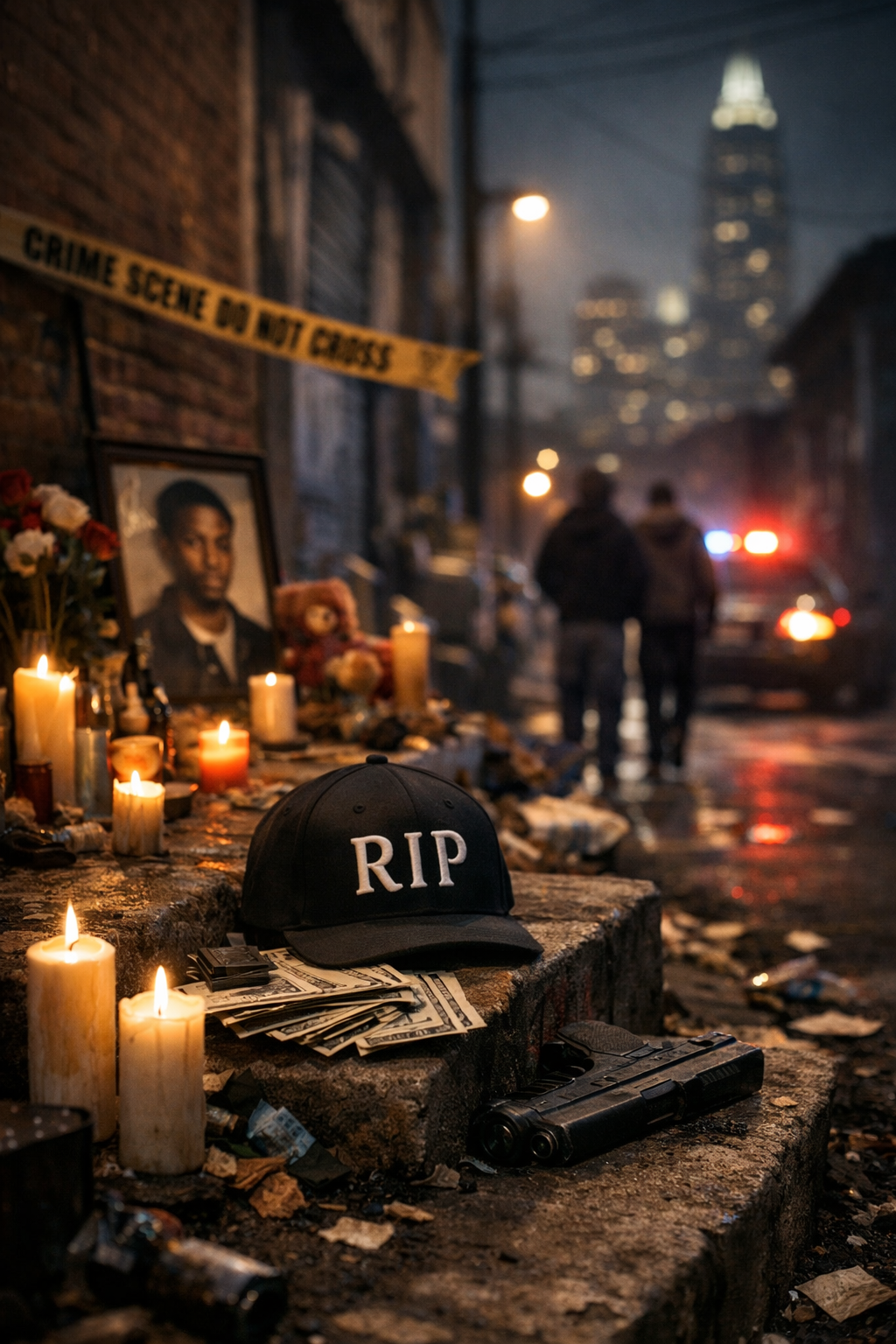
The streets have always been central to hip hop’s identity. They are where the music found its voice, its urgency, its truth. They are the backdrop for stories that made the genre feel real when nothing else did. But they are also where too many funerals start. That contradiction has been normalized for so long that questioning it feels like heresy. We praise the struggle, but rarely interrogate why the struggle must remain permanent to be considered valid.
What people heard in 21 Savage’s comment depended on where they are in their own journey. Some heard disrespect. Some heard denial. Others heard something painfully familiar. The streets don’t just shape you. They take from you. They take friends. They take time. They take emotional range. They take the ability to imagine a future that isn’t rooted in survival mode. Saying that out loud threatens the mythology we’ve built around toughness and loyalty.
Hip hop has lost too many people for this conversation to stay theoretical. Artists, affiliates, family members, people whose names never trended. Most of them were young. Most of them never had the chance to grow past the version of themselves that learned how to survive early and never learned how to rest. The streets don’t reward evolution. They reward consistency, even when consistency means staying stuck.
That pressure doesn’t stop once the music takes off. If anything, it intensifies. Authenticity becomes something you have to constantly prove. Distance from danger becomes suspect. Peace gets framed as forgetting where you came from. Artists end up performing trauma instead of processing it, trapped between who they were and who they’re not allowed to become.
Hip hop didn’t create these conditions, but it has amplified them. It has tied credibility to pain so tightly that pain becomes currency. That doesn’t mean the music is responsible for violence, but it does mean the culture has to reckon with what it rewards. If proximity to chaos is the standard, chaos will keep showing up.
So where does this leave us. It leaves us facing a question hip hop has been circling for decades. Can the culture evolve without erasing its roots. Can it honor where it came from without demanding the same sacrifices over and over again. Can we accept that survival is not selling out and that growth is not betrayal.
Where do we go from here depends on whether we are willing to let go of the idea that suffering is the only proof that matters. The streets will always influence hip hop. That influence is real and earned. The issue is whether influence has to mean control. Whether the genre can make room for reflection instead of only reaction. Whether it can allow artists to say this cost too much without being accused of weakness.
What 21 Savage said wasn’t a slogan or a movement. It was grief spoken plainly. Hip hop understands grief better than most genres. The question is whether it will listen to it this time or wait for the next loss to remind us why this conversation keeps coming back.