Salt N Pepa Deserve Their Masters
Written by Malik Perkins
January 15, 2026
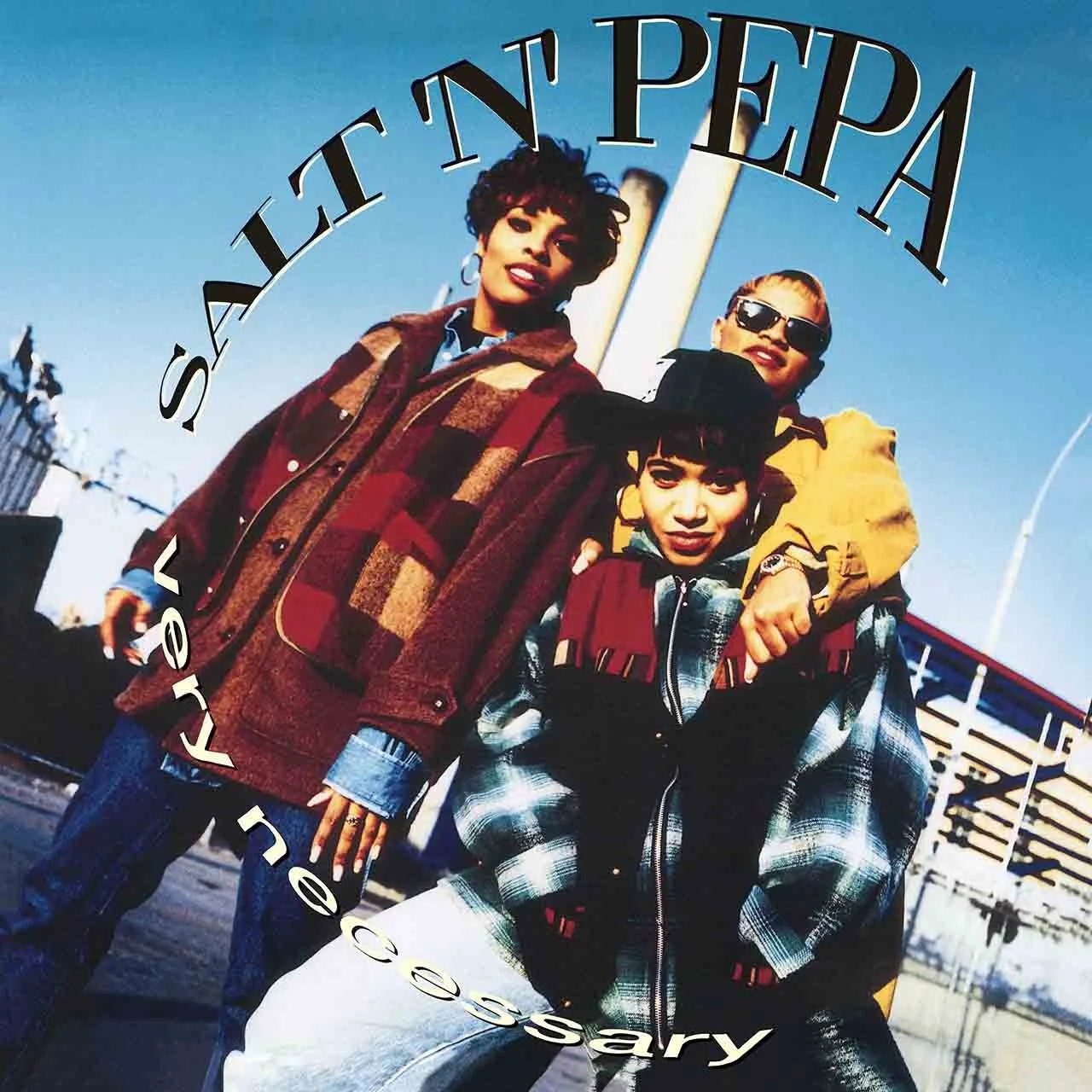
Source: Raymond Alva
Recently, Salt N Pepa lost their court case seeking ownership of their master recordings. The ruling was clean and predictable. The contracts stood. The paperwork won. And for a lot of people, that is where the conversation conveniently ends.
It should not.
Salt N Pepa deserve their masters. Not as a favor. Not as a symbolic gesture. They deserve them because hip hop as a business and a global culture would not look the way it does without their work, and the system that currently owns that work only exists because artists like them took the earliest risks.
The legal loss does not change the moral reality.
When Salt N Pepa signed their original deals in the late eighties, hip hop was still treated like a short term gamble. Labels did not expect longevity. They did not expect catalogs to become long term assets. They did not expect decades of licensing revenue, streaming income, synchronization deals, or cultural permanence. Artists were signing agreements in an industry that did not yet understand its own future.
Salt N Pepa were not just successful within that uncertainty. They expanded the boundaries of the genre itself. They proved women could be commercially dominant, culturally central, and uncompromising in a space that was not designed with them in mind. They helped normalize voices and perspectives that hip hop had not yet learned how to make room for.
That influence did not fade. It multiplied.
If anyone has sampled their records, flipped their hooks, replayed their cadences, borrowed their attitude, or built entire moments off the foundation they laid, then the value of their work is already being acknowledged in practice. Hip hop has always been comfortable taking from its pioneers. It just gets uneasy when the conversation turns to ownership.
This is where people retreat to legality. Contracts are contracts. The law is the law. Courts rule on what is written, not on what feels right. All of that is true. It is also incomplete. Legality and justice are not the same thing, and pretending they are is how industries avoid examining who benefited from imbalance and who paid for it.
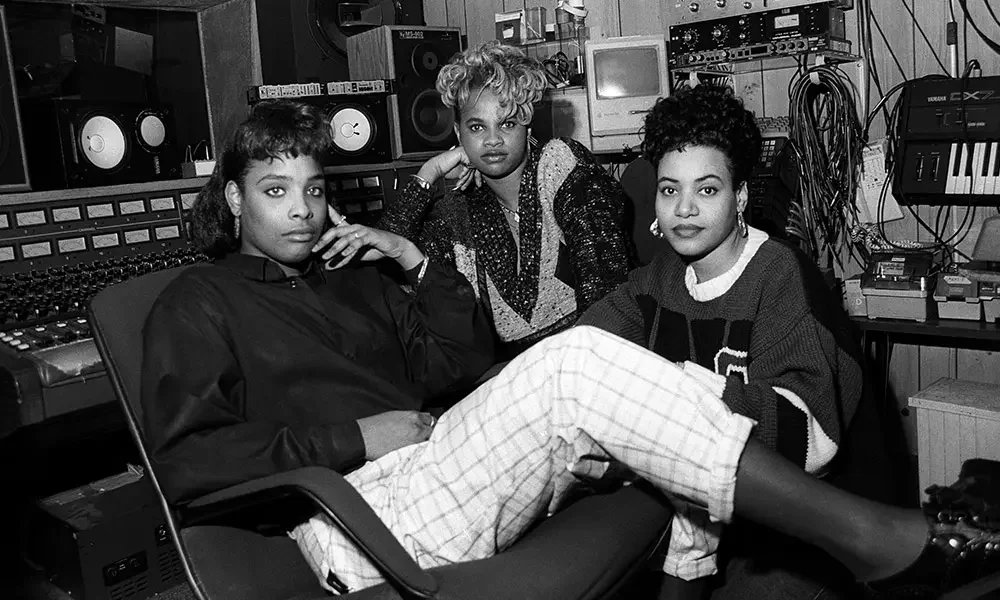
Salt N Pepa were not asking for charity decades later. They were asking for control over music whose worth far outgrew the assumptions baked into agreements written before hip hop understood its staying power. Labels now benefit from hindsight artists never had access to. That asymmetry is the issue whether people want to call it exploitation or not.
This conversation lands differently because they are women. Male peers from the same era were often granted mythology. The pioneer. The icon. The elder. That mythology translated into leverage, renegotiation, and institutional respect. Women had to fight to be taken seriously in real time, then fight again to be remembered accurately, and now fight once more to be compensated fairly for work everyone agrees was foundational.
Ownership is not just about money. It is about control. Control over how music is used. Control over where it appears. Control over how legacy is framed. When artists do not own their masters, someone else decides how their work lives in the world long after the spotlight moves on.
Hip hop is happy to celebrate Salt N Pepa in playlists, anniversary tours, documentaries, cruises, and museums. Their influence is taught, quoted, sampled, and monetized. The culture is more than willing to stand on their shoulders. What it resists is returning power to the people who built the foundation.
Saying this is just how it was is no longer good enough. Every industry has an original sin. Hip hop’s is early exploitation disguised as opportunity. The genre has matured into a global business with institutions, archives, and long memories. That maturity demands a harder conversation about who still carries outdated deals while everyone else profits from modern reality.
Salt N Pepa did not misunderstand the business. The business failed to imagine their longevity.
They lost in court. That does not settle the question. It only exposes how far the industry still has to go.
Salt N Pepa deserve their masters.
Hip hop has lost too many people for this conversation to stay theoretical. Artists, affiliates, family members, people whose names never trended. Most of them were young. Most of them never had the chance to grow past the version of themselves that learned how to survive early and never learned how to rest. The streets don’t reward evolution. They reward consistency, even when consistency means staying stuck.
That pressure doesn’t stop once the music takes off. If anything, it intensifies. Authenticity becomes something you have to constantly prove. Distance from danger becomes suspect. Peace gets framed as forgetting where you came from. Artists end up performing trauma instead of processing it, trapped between who they were and who they’re not allowed to become.
Hip hop didn’t create these conditions, but it has amplified them. It has tied credibility to pain so tightly that pain becomes currency. That doesn’t mean the music is responsible for violence, but it does mean the culture has to reckon with what it rewards. If proximity to chaos is the standard, chaos will keep showing up.
So where does this leave us. It leaves us facing a question hip hop has been circling for decades. Can the culture evolve without erasing its roots. Can it honor where it came from without demanding the same sacrifices over and over again. Can we accept that survival is not selling out and that growth is not betrayal.
Where do we go from here depends on whether we are willing to let go of the idea that suffering is the only proof that matters. The streets will always influence hip hop. That influence is real and earned. The issue is whether influence has to mean control. Whether the genre can make room for reflection instead of only reaction. Whether it can allow artists to say this cost too much without being accused of weakness.
What 21 Savage said wasn’t a slogan or a movement. It was grief spoken plainly. Hip hop understands grief better than most genres. The question is whether it will listen to it this time or wait for the next loss to remind us why this conversation keeps coming back.